executive Summary
This report provides an in-depth analysis of the current industrial control system (ICS) security posture and two high-risk vulnerabilities.In 2025, industrial control system security is facing unprecedented challenges, which are mainly characterized by the two-way risk of technological innovation and theft, the dual hazards brought about by the co-existence of old and new technologies, the intensification of the supply chain security crisis, as well as the zero-day vulnerability and stealth strategy failure.
The report focuses on two critical vulnerabilities: an authentication bypass vulnerability in the Mitsubishi Electric G-50 air conditioning system (CVE-2025-3699) and a path traversal and command injection vulnerability in the Schneider Electric EVLink WallBox charger (CVE-2025-5740). The Mitsubishi Electric vulnerability has a high vulnerability score of 9.8 (CVSS 3.1) and could lead to unauthorized access to the control system, affecting G-50 series air conditioning systems using firmware version 3.37 and lower. Information on the Schneider Electric vulnerability is still pending, but according to the Industrial Control Systems Security Alert issued by CISA, similar vulnerabilities have become a key target for attackers.
CISA's latest Industrial Control Systems Security Alert states that multiple high-risk vulnerabilities have been identified in the first half of 2025, including Dover Fueling Solutions' MagLink LX console vulnerability (CVE-2025-5310) and Johnson Controls' iSTAR configuration tool vulnerability (CVE-2025-26383), and that these vulnerabilities could lead to serious security threats to energy, government, transportation and other critical infrastructure.
Based on NIST SP 800-82 Industrial Control System Security Guidelines, this report adopts a systematic approach to vulnerability analysis and risk assessment, and puts forward targeted defense recommendations. The report suggests that enterprises should build an active defense system, strengthen supply chain management, implement a layered security architecture, and improve the level of attack and defense intelligence.
1. Introduction
1.1 Background of the study
Industrial control system (ICS) is a core technology system supporting national critical infrastructure and industrial production, and its security has transcended the purely technical level and risen to become an important part of national security strategy. In recent years, with the popularization of Internet of Things (IoT) technology and the deep integration of IT/OT systems, the network exposure of industrial control systems has expanded significantly, and the security threat is increasing.
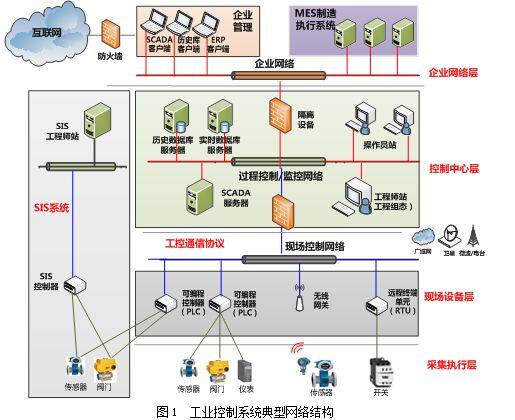
In the first half of 2025, the U.S. Cybersecurity and Infrastructure Security Administration (CISA) issued several industrial control system security warnings, including the ICSA-25-148 series of bulletins covering multiple high-risk vulnerabilities. These vulnerabilities span a number of critical areas such as energy, manufacturing, construction, and transportation, reflecting the severe security challenges facing industrial control systems today.
According to Kaspersky ICS CERT's 2025 forecast, geopolitically-driven targeted attacks, civilianization of attack tools, and emergency response capability gaps have emerged as major threats to industrial control systems. Meanwhile, the Chianson 2025 Cybersecurity Trends Report shows that 40,289 new vulnerabilities were added in 2024, with an increase of 53.881 TP3T in the Execute Code category, reflecting the continued escalation of vulnerability threats.
Against this background, this report focuses on analyzing the Mitsubishi Electric air conditioning system vulnerability (CVE-2025-3699) and the Schneider Electric EVLink WallBox charger vulnerability (CVE-2025-5740), aiming to reveal the technical characteristics, attack patterns and defense countermeasures of the current industrial control system vulnerabilities, and to provide security references for industrial enterprises and critical infrastructure.
1.2 Scope and methodology of the report
Scope of the study
This report focuses on the following:
-
Industrial control system security posture analysis: A comprehensive assessment of the industrial control system security situation in 2025 based on security reports and trend forecasts released by authoritative organizations.
-
Technical Analysis of Critical Vulnerabilities:
-
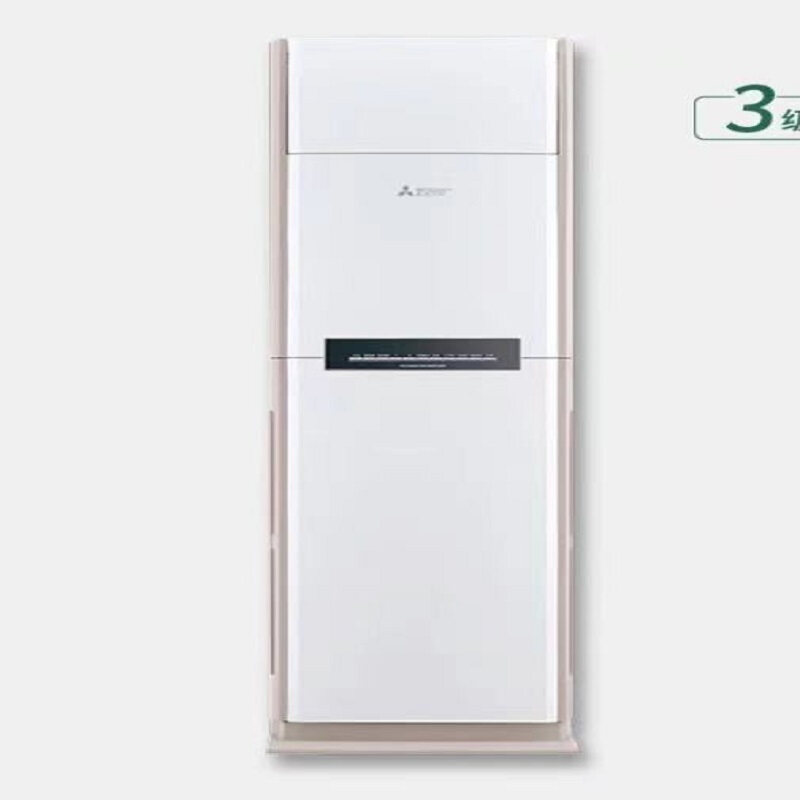
Mitsubishi Electric G-50 Air Conditioning System Vulnerability (CVE-2025-3699): detailed analysis of the technical principles, attack vectors, and potential impact of this authentication mechanism flaw vulnerability.
-
Schneider Electric EVLink WallBox Charger Vulnerability (CVE-2025-5740): analyze the technical characteristics of this path traversal and command injection vulnerability based on available information.
-
-
Risk assessment and impact analysis: The CVSS scoring system is used to assess vulnerability risk from multiple dimensions and analyze its potential impact on different industries.
-
Defense Strategies and Security Recommendations: Targeted defenses in conjunction with NIST SP 800-82 Industrial Control Systems Security Guidelines and CISA Security Recommendations.
Research methodology
The following methodology was used to conduct the research for this report:
-
Literature review: The system collects and analyzes security bulletins, technical reports, and security guidelines from authoritative organizations such as CISA, NIST, and others.
-
Vulnerability analysis: Based on CVE details and technical reports, a top-down approach is used to analyze vulnerability principles and attack paths.
-
Risk assessment framework: A quantitative assessment of vulnerabilities using the CVSS 3.1 scoring system and an assessment of business impacts in conjunction with NIST's Asset Classification Standards.
-
expert consensus method: Synthesize defense recommendations from multiple security experts to form systematic security countermeasures.
Note: Detailed information about the Schneider Electric EVLink WallBox Charger vulnerability (CVE-2025-5740) has not yet been fully collected, and this report will be initially analyzed based on the information available and will be added in subsequent updates.
2. Technical analysis of critical vulnerabilities
This section provides an in-depth analysis of the technical details of two high-risk industrial control system vulnerabilities, revealing their workings, attack vectors and potential impact. These vulnerabilities represent typical security threats faced by current industrial control systems: flaws in authentication mechanisms and Web application security vulnerabilities, which can lead to serious consequences such as unauthorized access and remote code execution.
2.1 Mitsubishi Electric Air Conditioning System Vulnerability (CVE-2025-3699) Analysis
A critical authentication bypass vulnerability exists in Mitsubishi Electric G-50 Series Air Conditioning Systems, which has been assigned CVE-2025-3699 number and has a CVSS score as high as 9.8 (CVSS:3.1/AV:N/AC:L/PR:N/UI:N/S:C/C/C:H/I:H/A:H), which is classified at the "Critical " level.
2.1.1 Vulnerability Principles
The essence of the vulnerability is a flaw in the authentication mechanism of the web interface of the G-50 series air conditioning system that allows an attacker to bypass the authentication process without providing valid credentials. The specific principles are as follows:
-
Certification process deficiencies:: The web server of the G-50 system had flaws in the session management logic when processing specific HTTP requests and failed to properly authenticate the user's identity
-
Missing input validation: The system does not implement strict authentication checks for access to specific API endpoints
-
Insufficient separation of prerogatives: After successfully bypassing authentication, an attacker can gain direct access to administrator-level privileges
2.1.2 Attack vectors
An attacker can exploit this vulnerability by following these steps:
-
Discovering the target system: Identify G-50 systems exposed on the Internet through port scanning or search engines (e.g., Shodan)
-
Constructing special requests: sends carefully constructed HTTP requests to the target system, bypassing authentication mechanisms
-
Acquisition of system control: Once authentication is bypassed, an attacker can access the management interface and manipulate the air conditioning system.
The fact that the exploit requires no user interaction and low attack complexity makes the vulnerability particularly dangerous.
2.1.3 Scope of impact
The vulnerability affects all Mitsubishi Electric G-50 series air conditioning systems using firmware version 3.37 and lower[^1]. These systems are widely used:
-
Commercial office buildings
-
medical organization
-
data center
-
industrial facility
2.1.4 Technological impacts
Successful exploitation of this vulnerability may result in:
-
Unauthorized control: Attackers can remotely control temperature settings, potentially impacting normal building operations
-
information leakage: Possible access to system configuration data and building layout information
-
system damage: Modification of system configuration may result in equipment damage or service interruption
-
lateral movement: Use of air-conditioning systems as springboards into the internal network
2.1.5 Mitigation measures
Mitsubishi Electric has not yet released an official patch, and the following temporary mitigation measures are recommended:
-
network isolation: Physically isolate the G-50 system from the Internet
-
access control: Configure strict firewall rules to allow access only to authorized IP addresses
-
VPN access: Access to the management interface through a secure VPN tunnel
-
Surveillance Audit: Deploy IDS/IPS systems to monitor anomalous protocol requests
2.2 Schneider Electric EVLink WallBox Vulnerability (CVE-2025-5740) Analysis
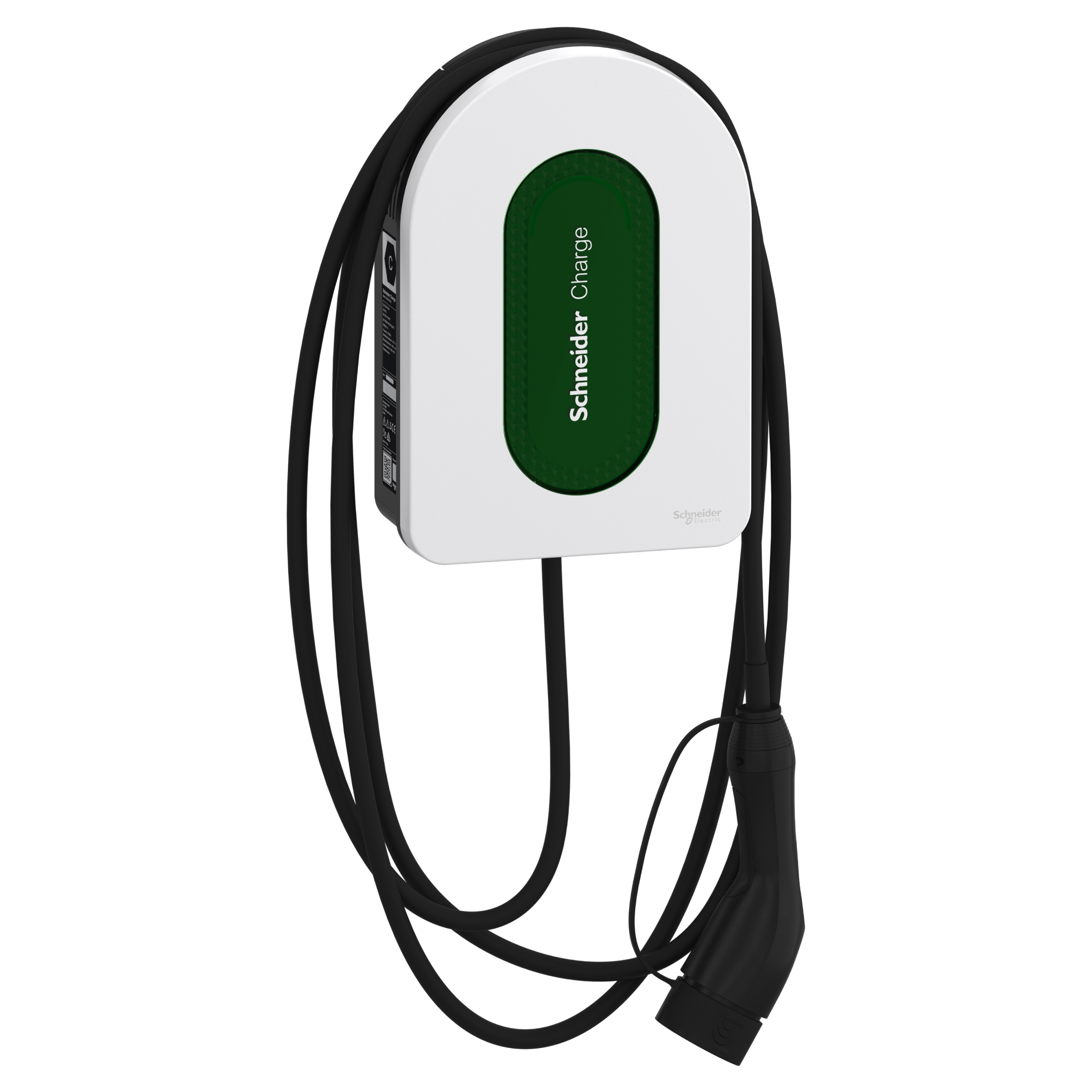
A path traversal vulnerability (CVE-2025-5740) and a command injection vulnerability (CVE-2025-5743) exist in Schneider Electric EVLink WallBox chargers with CVSS scores of 7.2 (v3.1) and 8.6 (v4), respectively. These two vulnerabilities, when used in combination, could lead to a serious security risk.
2.2.1 Vulnerability Principles
Path Traversal Vulnerability (CVE-2025-5740):
This vulnerability is of the CWE-22 (path traversal) type, which is the core principle:
-
Input validation is missing: The Charger Web server does not properly validate and sanitize user-entered file paths
-
Access Control Deficiencies: The system does not restrict access to specific directories and files
-
Catalog traversal characters are mishandled: No filtering or escaping of special sequences such as "...". /" and other special sequences
Command Injection Vulnerability (CVE-2025-5743):
This vulnerability is of type CWE-78 (OS Command Injection):
-
Insecure command construction: Web application splices user input directly into system commands
-
Lack of input purification: Special characters (e.g. ";", "|", "&") are not filtered.
-
Requires certification of utilization: A valid authentication session is required to trigger this vulnerability
2.2.2 Attack vectors
An attacker can exploit these vulnerabilities by following these steps:
-
Path Traversal Attack Flow:
-
Construct a special request containing the sequence "... /" sequence
-
Access to sensitive files outside the system directory
-
May upload malicious files to any location
-
-
Command Injection Attack Flow:
-
First get a valid authentication session
-
Sends a malicious request containing a command delimiter to a specific interface
-
Execute any command on the target system
-
When these two vulnerabilities are used in combination, an attacker can first use path traversal vulnerability to obtain sensitive information or upload malicious files, and then execute these files through command injection vulnerability to achieve full system control.
2.2.3 Scope of impact
The vulnerability affects all versions of Schneider Electric EVLink WallBox chargers, which notably have entered the end-of-life (EOL) stage. These chargers are widely used:
-
public charging station
-
Commercial building parking lots
-
residential area
-
Enterprise fleet management
2.2.4 Technological impacts
Successful exploitation of these vulnerabilities may result:
-
Full system control: Attackers can gain full control of the charger system
-
Configuration changes: Charging parameters can be modified, potentially affecting the safety of electric vehicles
-
code execution: Execute malicious code on the device
-
network intrusion: Using charging facilities as a springboard into corporate networks
-
service interruption: May lead to unavailability of charging services, affecting critical infrastructure
2.2.5 Mitigation measures
Since the product has entered the EOL phase, Schneider Electric recommends that the user:
-
Product upgrades: Migration to the new generation EVLink Pro AC product line
-
Temporary protective measures:
-
network isolation: Isolate devices via VLAN or subnetting
-
Firewall Configuration: Restrict access to HTTP ports (80/443)
-
# Example firewall rules
iptables -A INPUT -p tcp --dport 80 -s ! 192.168.1.0/24 -j DROP
-
password-protected: Use complex passwords ≥ 12 digits in length and change them every 90 days
-
Surveillance Audit: Configure system log forwarding to a centralized monitoring platform
3. Risk assessment and impact analysis
This section quantifies the risk assessment of two critical vulnerabilities based on the Common Vulnerability Scoring System (CVSS), analyzes their potential impact on different industries, and simulates possible attack scenarios. This multi-dimensional risk assessment approach helps organizations understand the actual threat level of the vulnerabilities and develop corresponding defense strategies.
3.1 CVSS scores and risk quantification
CVSS (Common Vulnerability Scoring System) is a widely adopted industry standard for quantifying vulnerability risk, which evaluates the severity of a vulnerability through a series of metrics. This report uses CVSS v3.1 and the latest CVSS v4 standards to score and analyze two critical vulnerabilities.
3.1.1 Mitsubishi Electric Air Conditioning System Vulnerability (CVE-2025-3699) Scoring Analysis
basic rating:
-
CVSS v3.1 scoring:9.8/10(Serious level)
-
CVSS v4 score:9.3/10(Serious level)
Analysis of rating indicators:
-
Attack Vector (AV): Network - can be utilized remotely over a network without physical contact
-
Attack Complexity (AC): Low - simple attack conditions, no special conditions required
-
Privilege Requirements (PR): None - no permissions required to utilize
-
User Interaction (UI): None - no user interaction required to complete the attack
The vulnerability has a near perfect CVSS score, mainly due to:
-
Can be utilized remotely via the Internet
-
No permissions or user interaction required
-
Successful exploitation gives full control of the system
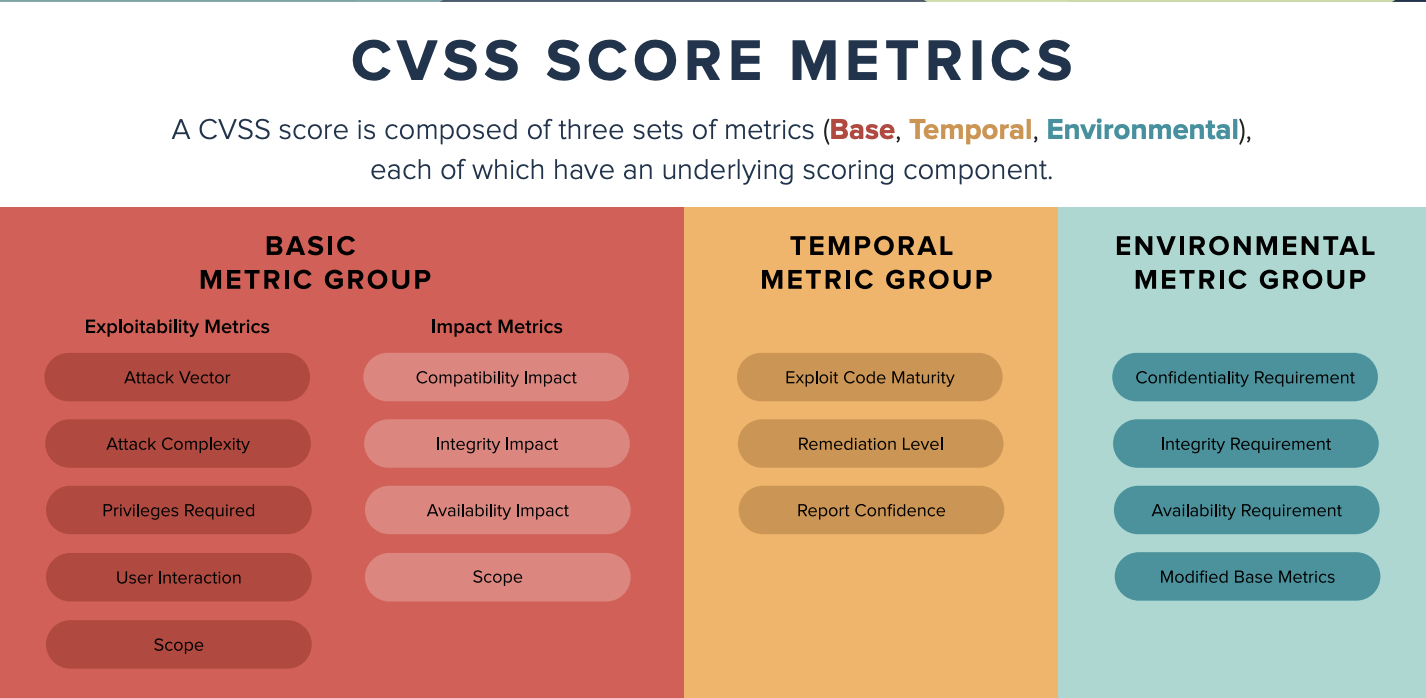
Below is the CVSS v3.1 vector string for this vulnerability:
cvss:3.1/av:n/ac:l/pr:n/ui:n/s:u/c:h/i:h/a:h
3.1.2 Schneider Electric EVLink WallBox Vulnerability (CVE-2025-5740) Scoring Analysis
basic rating:
-
CVSS v3.1 scoring:7.2/10(high-risk level)
-
CVSS v4 score:8.6/10(high-risk level)
Analysis of rating indicators:
-
Attack Vector (AV): Network - can be utilized remotely over the network
-
Attack Complexity (AC): Low - Simple attack conditions
-
Privilege Requirements (PR): High - requires high privileges to utilize
-
User Interaction (UI): None - no user interaction required
The vulnerability has a higher CVSS score but lower than the Mitsubishi vulnerability, mainly due to:
-
Can be utilized remotely but requires advanced privileges
-
Vulnerability type is Path Traversal (CWE-22), Relative Hazard Less than Authentication Bypass
-
More harmful when used in combination with Linked Vulnerability CVE-2025-5743 (Command Injection)
Below is the CVSS v3.1 vector string for this vulnerability:
cvss:3.1/av:n/ac:l/pr:h/ui:n/s:u/c:h/i:h/a:h
3.1.3 Quantitative and comparative risk analysis
| Mitsubishi Electric CVE-2025-3699 | Schneider Electric CVE-2025-5740 | |
| CVSS v3.1 Rating. | 9.8 (severe level) | 7.2 (high-risk level) |
| attack vector | reticulation | reticulation |
| Attack complexity | lower (one's head) | lower (one's head) |
| Required permissions | not have | your (honorific) |
| user interaction | not have | not have |
| Main risks | Authentication Bypass | path traversal |
| potential consequence | Full system control | Information leakage/document access |
In terms of risk quantification, the Mitsubishi Electric vulnerability is significantly more risky than the Schneider Electric vulnerability, mainly because the former can be exploited without any privileges, while the latter requires advanced privileges to be obtained first. However, the risk level of the Schneider Electric vulnerability is significantly higher when used in combination with the command injection vulnerability (CVE-2025-5743).
3.2 Industry Impact Analysis
The impact of industrial control system vulnerabilities varies by industry, with infrastructure dependencies, business criticality, and potential losses varying from industry to industry. The specific impact of these two critical vulnerabilities on each industry is analyzed below.
3.2.1 Mitsubishi Electric Air Conditioning Systems Leak (CVE-2025-3699) Industry Impacts
1. Commercial construction industry
-
Sphere of influence: Central air conditioning systems for office buildings, retail centers, hotels, etc.
-
potential consequence:
-
Abnormal temperature control affecting the work environment and customer experience
-
Increased energy consumption leading to higher operating costs
-
System downtime, which may result in the temporary unavailability of the building
-
2. Data center industry
-
Sphere of influence: Server rooms and data centers that rely on precise temperature control
-
potential consequence:
-
Abnormal temperatures can lead to server overheating and hardware damage
-
System downtime can trigger data center outages
-
Service interruptions may trigger SLA breaches and economic damages
-
3. Medical industry
-
Sphere of influence: Hospitals, clinics, drug storage facilities
-
potential consequence:
-
Temperature abnormalities in special areas (e.g., operating rooms, drug storage) may affect the quality of care
-
May cause damage to temperature-sensitive medical equipment or pharmaceuticals
-
System failures may impact patient safety and healthcare delivery
-
4. Manufacturing
-
Sphere of influence: Production environments requiring precise temperature control
-
potential consequence:
-
Abnormal temperatures in the production environment may affect product quality
-
May lead to production line suspension and financial loss
-
Precision equipment can be damaged by temperature changes
-
According to the list of affected products, Mitsubishi Electric's vulnerable devices include the AE series (AE-200A, AE-50A, etc.), EW series (EW-50A, EW-50J, etc.), G series (G-50, GB-50, etc.), CMS series (CMS-RMD-J), as well as the EB-50GU and TW series products.
3.2.2 Schneider Electric EVLink WallBox Vulnerability (CVE-2025-5740) Industry Implications
1. Energy sector
-
Sphere of influence: Public charging stations, commercial charging facilities
-
potential consequence:
-
Charging service disruption affecting electric vehicle users
-
May lead to grid load management issues
-
May serve as an entry point for attacks on grid infrastructure
-
2. Transportation sector
-
Sphere of influence: Public transportation electric vehicle fleet, logistics company fleet
-
potential consequence:
-
Fleet charging disruptions may affect operational scheduling
-
May cause delays in transportation services
-
Potential impact on critical transportation services
-
3. Retail and commercial sector
-
Sphere of influence: Charging facilities provided in shopping malls, hotels, office buildings, etc.
-
potential consequence:
-
Impact on customer service and experience
-
May serve as an entry point for attacks on commercial networks
-
Potential brand reputation damage
-
4. Residential communities
-
Sphere of influence: Public charging facilities in residential neighborhoods
-
potential consequence:
-
Interruption of residential charging services
-
Potential impact on community safety systems
-
May lead to community management problems
-
Note that Schneider Electric has announced that the EVLink WallBox charger product line has reached End of Life (EOL) and recommends that users upgrade to the EVLink Pro AC product line.
3.3 Attack Scenario Simulation
In order to demonstrate the actual threat of these vulnerabilities more intuitively, this section simulates several possible attack scenarios and analyzes the possible paths of exploitation and potential consequences for attackers.
3.3.1 Mitsubishi Electric Air Conditioning System Vulnerability Attack Scenario
Scenario 1: Targeted Attacks Against Commercial Buildings
-
pre-attack preparation:
-
Attackers use search engines like Shodan to identify Mitsubishi G-50 systems exposed on the Internet
-
Confirm that the target system is using a vulnerable version of firmware 3.37 and lower
-
-
The attack execution process:
Step 1: Bypass authentication by sending a specially crafted HTTP request
Step 2: Obtain system administrative privileges
Step 3: Modify temperature settings to set extreme temperatures
-
potential consequence:
-
Abnormal office environment temperatures affecting employee productivity
-
Turning off the air conditioning system during the hot summer months can lead to server overheating and IT system failures
-
Turning off the heat during the cold winter months can lead to frozen pipes and property damage
-
Scenario 2: Disruptive Attacks Against Data Centers
-
pre-attack preparation:
-
Attackers gaining access to internal networks through social engineering or other means
-
Identifying Mitsubishi Air Conditioning Control Systems in Internal Networks
-
-
The attack execution process:
Step 1: Launch an attack from the internal network to bypass authentication
Step 2: Gain control of the air conditioning system
Step 3: Gradually increase server room temperatures to avoid triggering temperature alarms
Step 4: Shut down cooling systems or set extremely high temperatures
-
potential consequence:
-
Server overheating causes automatic shutdown
-
May result in hardware damage and data loss
-
Data center service outages affect many businesses that rely on cloud services
-
Could lead to millions of dollars in economic losses
-
3.3.2 Schneider Electric EVLink WallBox Vulnerability Attack Scenario
Scenario 1: Multi-stage attack combining vulnerabilities
-
pre-attack preparation:
-
The attacker first obtains charging station administrator credentials (via phishing or other means)
-
Confirm that the target device is an affected EVLink WallBox charger
-
-
The attack execution process:
Step 1: Log in to the web management interface using administrator credentials
Step 2: Exploit a path traversal vulnerability (CVE-2025-5740) to access sensitive system files.
Step 3: Upload a malicious file to a system directory.
Step 4: Execute a malicious file using a command injection vulnerability (CVE-2025-5743).
Step 5: Create a persistent backdoor to gain full control of the system.
-
potential consequence:
-
Controls the charging process and may cause damage to the device
-
Interruption of charging services affecting users
-
May be used as a springboard to attack connected corporate networks
-
Scenario 2: Massive Attacks Against Charging Infrastructure
-
pre-attack preparation:
-
Attackers Develop Automated Tool to Identify EVLink WallBox Devices on the Internet
-
Attempted access using acquired credentials or default credentials
-
-
The attack execution process:
Step 1: Bulk Scan and Identify Accessible Charging Devices
Step 2: Exploit a combination of vulnerabilities to gain control of the system
Step 3: Coordinate attacks to disrupt multiple charging station services simultaneously at a specific point in time
-
potential consequence:
-
Regional charging service disruptions
-
May affect grid stability
-
Disruption of public charging infrastructure services
-
3.3.3 Attack Scenario Analysis Summary
The attack scenarios described above show that these vulnerabilities may not only lead to immediate service disruptions, but may also trigger a chain reaction affecting a wider range of systems and services. Especially in the area of critical infrastructure, the existence of these vulnerabilities represents a significant security risk.
Notably, as IoT devices and industrial control systems become increasingly interconnected, attackers may utilize these vulnerabilities as an entry point into larger networks, which could lead to more sophisticated attack operations.
4. Defense strategies and security recommendations
Based on the CISA Security Alert and NIST's latest Industrial Control System Security Guidelines, this section presents targeted defense strategies and security recommendations based on the technical characteristics of the two critical vulnerabilities. These recommendations are divided into three levels: short-term mitigation measures, long-term security hardening strategies, and ICS security best practices, which are designed to help organizations build a multi-level, deep defense industrial control system security system.
4.1 Short-term mitigation measures
Faced with discovered but not yet fixed vulnerabilities, organizations need to take urgent mitigation measures to reduce the risk of being attacked. The following are specific mitigation recommendations for two critical vulnerabilities.
4.1.1 Mitsubishi Electric Air Conditioning System Vulnerability (CVE-2025-3699) Mitigations
-
Network isolation and segmentation
-
Deploying HVAC systems in separate VLANs
-
Implement strict network access control lists (ACLs)
-
Isolating HVAC networks with one-way gateways/data diodes
-
# Example Firewall Rules (Linux iptables)
# Allow access to the G-50 system only to specific management IPs
iptables -A FORWARD -p tcp -d [HVAC_IP] --dport 80 -s [ADMIN_IP] -j ACCEPT
iptables -A FORWARD -p tcp -d [HVAC_IP] --dport 443 -s [ADMIN_IP] -j ACCEPT
iptables -A FORWARD -p tcp -d [HVAC_IP] -j DROP
-
Secure Proxy and VPN Access
-
Deploy a security proxy to disable direct access to the HVAC web interface
-
Force access to the management interface through an encrypted VPN channel
-
Implementation of two-factor authentication (2FA)
-
-
Surveillance and Intrusion Detection
-
Deploying a Network Intrusion Detection System (IDS) to Monitor HVAC System Traffic
-
Configure the SIEM system to collect and analyze HVAC system logs
-
Establishment of an alarm mechanism for abnormal temperature changes and abnormal command execution
-
-
Emergency Response Plan
-
Prepare emergency plans for manual operation of air conditioning systems
-
Establishment of emergency coordination mechanisms with the facilities management team
-
Prepare equipment for emergency isolation process
-
4.1.2 Schneider Electric EVLink WallBox Vulnerability (CVE-2025-5740/5743) Mitigations
-
Product upgrades and replacements
-
Upgrade to EVLink Pro AC product line as recommended by Schneider Electric
-
For devices that cannot be upgraded immediately, consider temporarily disconnecting from the network
-
-
network protection
-
Restricting access to the charger's web interface through firewalls
-
Allow only authorized IP addresses to access the management port
-
Disable unnecessary remote access features
-
# Example firewall rules
iptables -A INPUT -p tcp --dport 80 -s ! 192.168.1.0/24 -j DROP
iptables -A INPUT -p tcp --dport 443 -s ! 192.168.1.0/24 -j DROP
-
Password Enhancement and Access Control
-
Change all default passwords
-
Implement a strong password policy (≥ 12 bits in length, containing upper and lower case letters, numbers and special characters)
-
Mandatory password change every 90 days
-
-
Traffic Monitoring
-
Deploy network traffic analysis tools to monitor charger communications
-
Monitor for abnormal HTTP requests, especially those containing path traversal attempts such as "... /" and other path traversal attempts.
-
Monitor for suspicious command execution patterns
-
4.1.3 Generic short-term mitigation measures
-
Updated inventory of assets
-
Urgently update the asset list of affected systems
-
Confirm firmware version and exposure for all affected devices
-
Prioritization of flagged high-risk assets
-
-
Temporary Access Control Enhancements
-
Implementation of time-based access control
-
Limit access times and session lengths
-
Add audit logs for management sessions
-
-
Security configuration baseline
-
Disable all non-essential services and ports
-
Remove test and default accounts
-
Secure web service configuration (e.g. disable directory listings, etc.)
-
4.2 Long-term security hardening strategy
In addition to short-term measures to address current vulnerabilities, organizations need to implement a systematic long-term security hardening strategy to improve the overall security level of industrial control systems.
4.2.1 Security architecture optimization
-
Layered Defense Model (LDM)
-
Adoption of NIST-recommended dynamic network hierarchical models
-
Implementation of a 12-category threat categorization matrix assessment system
-
Build layered protection strategies across 18 technical domains
-
-
Zero Trust Architecturerealize
-
Adoption of the "never trust, always verify" principle
-
Access control based on identity rather than network location
-
Implementation of the principles of micro-segmentation and least privilege
-
-
Supply Chain Security Management
-
Establishment of a vendor security assessment framework
-
Perform firmware validation on critical components
-
Building a third-party component risk database
-
4.2.2 Vulnerability Management System
-
Patch Management Process Optimization
-
Implementation of the NIST "Shadow System" Test Validation Framework
-
Complete patch compatibility verification in virtualized environments
-
Establish a patch deployment process specific to OT systems
-
-
Vulnerability scanning and assessment
-
Perform regular passive vulnerability scans
-
Create an ICS-specific vulnerability library
-
Implement a vulnerability prioritization assessment based on business impact
-
-
Configuration Management Enhancement
-
Implementation of the principle of "minimizing configuration access"
-
Utilizes a whitelist-based firmware upgrade mechanism
-
Establishment of configuration change audit process
-
4.2.3 Ongoing monitoring and response
-
Security Operations Center (SOC) Construction
-
Build a SOC team focused on OT security
-
Deploying Industrial Protocol Resolution Probes
-
Implementation of a security monitoring system for OT-IT convergence
-
-
Threat Intelligence Integration
-
Access to a dedicated threat intelligence source for industrial control systems
-
Establishment of threat intelligence sharing mechanisms
-
Targeted threat hunting activities
-
-
Capacity-building for emergency response
-
Develop ICS-specific emergency response plans
-
Regular execution of tabletop and live exercises
-
Establishment of collaborative mechanisms with national CERTs and industry ISACs
-
4.3 ICS Security Best Practices
Based on the latest NIST guidelines for industrial control system security and industry best practices, the following are systematic recommendations for managing industrial control system security.
4.3.1 Safe design principles
-
Defense-in-depth strategy
-
Build multi-layered security controls
-
Avoid single point of protection dependency
-
Integration of technical and managerial measures
-
-
Secure Default Configuration
-
Implement security hardening of equipment prior to deployment
-
Disable non-essential features and services by default
-
Implementation of the principle of least privilege
-
-
Fail-safe design
-
Ensure that the system remains safe in the event of a safety control failure
-
Implementation of independent security protection mechanisms
-
Redundant design of key functions
-
4.3.2 IT-OT convergence security
-
Application of the "digital twin security sandbox" concept
-
Building a virtual replication environment for OT systems
-
Testing Security Controls in a Digital Twin Environment
-
Balancing OT system real-time requirements with security needs
-
-
Security Domain Segregation and Border Protection
-
Clearly define IT and OT network boundaries
-
Implementing a one-way security gateway
-
Create DMZ buffer
-
-
Identity and Access Management
-
Centralized management of OT system accounts
-
Implementation of role-based access control
-
Privileged account management and audit
-
4.3.3 Security standards and compliance
-
Standard synergistic application
-
Combination of NIST and IEC 62443 standards
-
Integration of IEC 62443-3-3 asset classification standard
-
Building a Unified Industrial Equipment Risk Assessment Model
-
-
Industry-specific safety standards
-
Energy sector: NERC CIP
-
Manufacturing: ISA/IEC 62443
-
Building automation: ISO 16484
-
-
Security Maturity Assessment
-
Periodic assessment of the effectiveness of security controls
-
Adoption of maturity models such as C2M2
-
Continuous improvement of the safety management system
-
4.3.4 Future Trends Adaptation
-
AI securityappliance
-
Adoption of AI-driven anomaly detection
-
Implement automated security response
-
Predictive threat analysis
-
-
Quantum security transition readiness
-
Assessing the Threat of Quantum Computing to Existing Encryption
-
Developing a post-quantum cryptographic migration plan
-
Focus on NIST PQC Standards Development
-
-
Security automation and orchestration
-
Implementation of Security Orchestration Automated Response (SOAR)
-
Automated Compliance Checks
-
Integrating DevSecOps Processes
-
The security of industrial control systems requires a balance of security, availability and productivity. The above best practices should be adjusted and optimized according to specific industry characteristics, system criticality and resource constraints. Organizations should establish a continuous improvement mechanism to regularly assess the effectiveness of security controls and make timely adjustments to defense strategies based on changes in the threat environment.
5. Conclusions and outlook
This report provides an in-depth analysis of the Mitsubishi Electric Air Conditioning System vulnerability (CVE-2025-3699) and the Schneider Electric EVLink WallBox Charger vulnerability (CVE-2025-5740), which reveals the severe challenges facing the security of industrial control systems today. These vulnerabilities not only reflect technical flaws in industrial control system security, but also represent systemic problems in the current ICS security environment.
5.1 Main findings
Critical Vulnerability Analysis Conclusion
-
Vulnerability characterization presents a systemic problem
-
The Mitsubishi Electric G-50 Series Air Conditioning System vulnerability (CVE-2025-3699) exposes a fundamental flaw in the authentication mechanism of the industrial control system, with a CVSS score of 9.8, which is a "Critical" level, and affects a number of product lines using firmware version 3.37 and lower, including the AE The impact covers a number of product lines using firmware version 3.37 and lower, including the AE, EW, G, CMS, and EB-50GU and TW product lines.
-
The Schneider Electric EVLink WallBox charger vulnerability (CVE-2025-5740) reflects the persistence of traditional Web security issues such as path traversal and command injection in industrial control systems. Of even greater concern is that these products have entered the end-of-life (EOL) phase, reflecting the serious challenges of "legacy device security" for industrial control systems.
-
-
The industry's impact is broad and far-reaching
-
The Mitsubishi Electric vulnerability primarily affects commercial buildings and industrial facilities, and may result in operational disruptions such as temperature control abnormalities and system downtime, with a particularly severe impact on temperature-control sensitive environments such as data centers.
-
The Schneider Electric vulnerability, on the other hand, primarily affects charging infrastructure in the energy sector, which could lead to disruptions or anomalies in charging services and could be used as a springboard for attacks on internal networks.
-
-
Multiple Root Causes of Safety Deficiencies
-
Technical level: basic design flaws, insufficient authentication mechanisms, lax input validation
-
Management level: lifecycle management issues, patch management dilemma, lack of security awareness
-
Ecological level: supply chain security risk transmission, inappropriate integration of old and new technologies
-
Summary of current ICS security posture
-
The Two-Way Risk of Technology Innovation and Technology Piracy: Emerging technologies such as AI and quantum computing have become high-value attack targets while bringing innovation to industrial control systems; the misuse of open-source tools has further lowered the attack threshold.
-
The twin pitfalls of new and old technologies coexisting together: Generative AI is used to create highly realistic phishing attacks, while older IIoT devices struggle to deploy modern security protocols due to hardware limitations, creating uneven security capabilities.
-
Supply chain security crisis intensifies: Inadequate cybersecurity investment by small suppliers transmits risk, and the impact of supply chain attacks has extended to third-party partners.
-
Zero-Day Vulnerabilities and Stealth Strategy FailuresIn 2024, there will be 40,289 new vulnerabilities, and the number of code execution vulnerabilities will increase by 53.88%; over-reliance on the "hidden system" strategy can no longer cope with the current threat environment.
5.2 Future trends and challenges
Based on the latest CISA warnings and NIST guidelines for industrial control system security, the following trends and challenges can be expected for industrial control system security:
Technology Development Trends
-
Security Architecture Innovation
-
The dynamic network layering model proposed by NIST will gradually replace traditional static layering
-
Layered protection strategies with a 12-category threat categorization matrix and 18 technical domains will become standard practice
-
The "Digital Twin Security Sandbox" concept will help resolve the conflict between real-time requirements and security-in-depth protection for OT systems.
-
-
The double-edged sword of AI security
-
AI-Driven Threat Detection to Go Mainstream, Improving Abnormal Behavior Recognition
-
Also, attackers will use AI to generate more stealthy attacks
-
Adaptive security architecture will be key to dealing with AI attack and defense confrontations
-
-
quantum leap in security
-
Quantum Computing's Threat to Existing Encryption Algorithms Will Drive the Transition to Post-Quantum Encryption for ICS Security
-
Post-NIST quantum encryption standard to be phased in for industrial control systems
-
Compatibility of quantum security with legacy systems will be a technical challenge
-
Industry Challenges
-
Upgraded equipment certification standards
-
The industry will need more stringent device certification standards, especially for connected ICS devices
-
Security management of end-of-life (EOL) devices will be a long-term challenge
-
Balancing compatibility and security will be more difficult
-
-
Supply Chain Security Audit
-
Supply Chain Security Audits to Become Standard Practice
-
Third-party security risk assessments will be more systematic
-
Smaller vendors will face resource challenges in building security capacity
-
-
Cross-industry collaboration needs
-
Threat intelligence sharing mechanisms need to be established across industries and borders
-
The public-private partnership (PPP) model will play a more important role in countering advanced threats
-
Standards synergies (e.g., NIST and IEC 62443) will promote harmonized risk assessment models for industrial equipment
-
Future Defense Priorities
-
Building an active defense system
-
Moving from reactive response to proactive defense
-
Threat Hunting to Become a Routine Security Operations Activity
-
Predictive security analytics will identify potential risks in advance
-
-
Layered Security Architecture Design
-
Zero-trust architectures will be more widely used in ICS environments
-
Micro-segmentation technology will refine cybersecurity boundaries
-
Identity-centric access control will replace the network location-centric model
-
-
Intelligent attack and defense confrontation
-
Automated Security Orchestration Response (SOAR) will accelerate defenses
-
Intelligent red team assessments to be regularized
-
Security automation will close the talent gap
-
Industrial control system security is at a critical turning point, where technological innovation and security challenges coexist. Organizations need to adopt a more systematic and proactive security strategy that balances security requirements with business continuity in order to effectively respond to the complex threat environment of the future.
bibliography
-
Mitsubishi Electric G-50 Air Conditioning System Vulnerability (CVE-2025-3699) - Aliyun Vulnerability Library
-
NIST SP 800-82 Safety Guide for Industrial Control Systems
-
CISA ICS Safety Bulletin (ICSA-25-148 series)
-
CISA Catalog of Known Exploited Vulnerabilities - https://www.cisa.gov/known-exploited-vulnerabilities
-
Kaspersky ICS CERT Forecast 2025
-
Top 10 Trends in Cybersecurity for 2025 by Chianson
-
Schneider Electric EVLink WallBox Safety Bulletin
-
CISA Official Circular (ICSA-25-175-04) - https://www.cisa.gov/news-events/ics-advisories/icsa-25-175-04
-
Mitsubishi Electric G-50 Series Vulnerability Technical Analysis Report
-
Schneider Electric EVLink WallBox Vulnerability Technical Analysis Report
appendice
glossary
| abridge | full name | clarification |
| ICS | Industrial Control System | Industrial control systems |
| HVAC | Heating, Ventilation, and Air Conditioning | HVAC system |
| CVSS | Common Vulnerability Scoring System | Generic Vulnerability Scoring System |
| CISA | Cybersecurity and Infrastructure Security Agency | United States Cybersecurity and Infrastructure Security Administration |
| NIST | National Institute of Standards and Technology | National Institute of Standards and Technology |
| CWE | Common Weakness Enumeration | Generic Weakness Classification |
| EOL | End of Life | End of life cycle |
| OT | Operational Technology | Operations Technology |
| IT | Information Technology | information technology |
| DMZ | Demilitarized Zone | quarantine zone |
| SOAR | Security Orchestration, Automation and Response | Automated response to security orchestration |
Original article by Chief Security Officer, if reproduced, please credit https://www.cncso.com/en/2025-ics-security-vulnerability-analysis-report.html